
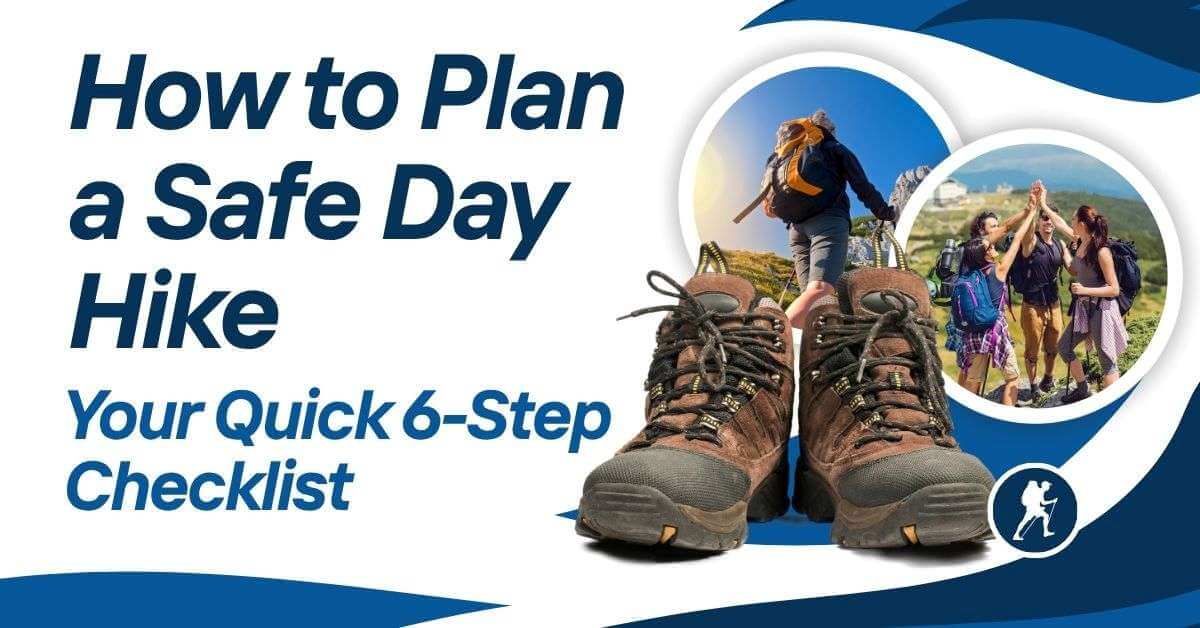
How to Plan a Safe Day Hike: Your Quick 6-Step Checklist

How to Plan a Safe Day Hike

Start Smart: Why Planning Makes Your Hike Safer and More Fun

You can turn a day hike from risky guesswork into a relaxed adventure with your planning. Follow six clear steps to plan a safe day hike by choosing the route, packing essentials, checking the weather, sharing your plan, moving safely, and handling hazards for a better day outdoors.

What You Need Before You Go

Map or navigation app and the basic navigation skills you need
Layered clothing
Water and snacks
First aid kit
Headlamp
Charged cellphone and power bank
Best Value
Lightweight 2L Hydration Backpack for Running
2L bladder with breathable, adjustable fit
You get a super lightweight 12L daypack with a 2L leakproof bladder that keeps you hydrated on runs, rides, and hikes. The adjustable straps and breathable back panel help you stay comfortable on long outings.
Amazon price updated: 01/14/2026 01:52

The Ultimate Solo Hiking Checklist: Essential Gear to Plan a Safe Day Hike


1

Choose the Right Route for Your Ability

Could this trail surprise you? Pick a route that fits your energy and experience.

Research trail distance, elevation gain, and terrain before you leave. Read trail descriptions and measure how steep sections are so you can predict effort.

Read recent trip reports and check maps or official trail pages to confirm closures or hazards. Look for notes on creek crossings, fallen trees, or recent washouts.

Match the route to your fitness level and the daylight you have. Choose, for example, a 3-mile loop with 400 to 800 feet of gain if you are building stamina. Pick a 6-mile out-and-back only if you have time and experience.

Pick a shorter loop or an out and back that lets you turn back safely if you are unsure. Carry a map and know key waypoints so you can judge progress and make smart turnback decisions.

Distance
Elevation gain
Terrain type
Recent conditions and closures
Editor's Choice
NORTIV 8 Waterproof Ankle Hiking Boots
Lightweight cushioning for all-day comfort
These waterproof ankle boots give you shock-absorbing support and durable traction for wet or uneven trails. The removable cushioned insole and flexible EVA midsole reduce fatigue so you can hike longer.
Amazon price updated: 01/14/2026 01:52

2

Check Weather and Plan Your Timing

Do you really want to be caught in a sudden storm? Timing matters more than you think.

Check the full forecast for the trail area and review hourly changes the morning of your hike. Use radar apps and the official weather service to see when rain, wind, or storms will arrive.

Consider local microclimates and how temperature changes with elevation. Expect roughly 10 to 15ยฐF cooler per 1,000 feet of gain. For example, a sunny 80ยฐF trailhead can be 60ยฐF and windy near the summit.

Start early to avoid afternoon heat or storms. Build buffer time so you finish before dark. If severe weather is predicted, postpone the hike.
Check hourly forecast and radar
Factor elevation and microclimates
Start at dawn when possible
Build a 30 to 60 minute safety buffer
Must-Have
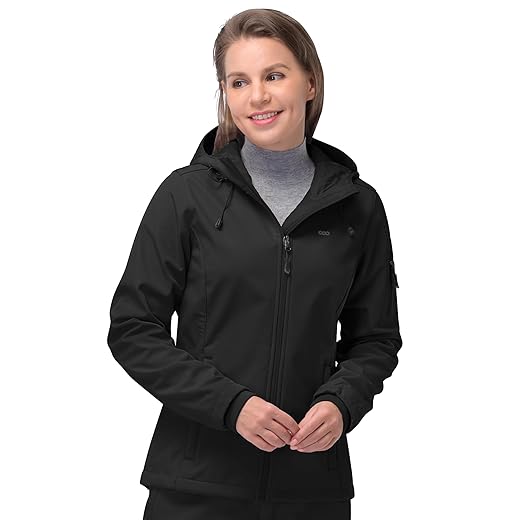
Women's Fleece Lined Softshell Hooded Jacket
Waterproof, windproof warmth with adjustable hood
You get a windproof, water-resistant softshell with a warm fleece lining that locks in heat without feeling bulky. The adjustable hood, cuff, and hem help you customize the fit for cold weather activities.
Amazon price updated: 01/14/2026 01:52

3

Pack Smart: Essentials That Keep You Safe

Pack like you are preparing for both a picnic and a rescue. What three items will actually save your day?

Use a checklist. Carry items that solve problems, not just add weight.

Carry navigation tools: a paper map, a compass, and a GPS app so you can reorient quickly if you miss a turn.
Pack extra water and a small filter or purification tablets.
Pack high-energy snacks like nuts, bars, and dried fruit for quick calories.

Carry layered clothing: base, insulating, and breathable outer layers for changing temps.
Pack rain protection: lightweight jacket and pack cover.
Bring a basic first aid kit, headlamp, whistle, fire starter, and a lightweight emergency shelter.
Bring a fully charged phone and an external battery.
Choose footwear that fits the terrain and break in shoes before the hike.

Travel light but do not skimp on safety items.

Best for Travel
60,000mAh Large Capacity Fast Charging Power Bank
Charges multiple devices with 22.5W output
This huge capacity power bank gives you long-lasting backup power and a clear LED percentage display so you always know the charge. It supports fast charging and a 3-in-1 cable to charge several devices at once while you travel or camp.
Amazon price updated: 01/14/2026 01:52

4

Share Your Plan and Establish Checkpoints

Your phone is not your only lifeline. Who knows your plan matters more than you think.

Tell a trusted person where you will be, which trail you will take, your start time, and your expected return. Leave a written plan in your car if possible.

Trail and route โ€” name, entry point, and key turns
Start and return times โ€” planned times plus a buffer
Car location โ€” parking lot or mile marker
Check-in plan โ€” specific times or a deadline to call for help
Emergency contact โ€” who to notify and their phone number

Agree on check-in times and a deadline for alerting authorities if you do not return. Sign the trail register when one exists. Example: “Pine Ridge Trail, leave 8:00 AM, back by 2:00 PM, car in upper lot. Call if not back by 3:00 PM.”

Must-Have
216-Piece Comprehensive Survival and First Aid Kit
Survival tools plus 180 essential medical supplies
You get a well organized MOLLE pouch filled with survival gear and first aid items to handle emergencies outdoors or at home. The kit includes tools like a fire starter, wire saw, and bandages to help you stay prepared.
Amazon price updated: 01/14/2026 01:52

5

Move Smart on the Trail

Move smarter not faster. Prevent injuries and energy crashes with small habits.

Pace yourself to conserve energy. Walk at a steady tempo and avoid burning out on steep sections.

Take regular short breaks. Rest 5 minutes every 45 minutes. Drink 6 to 8 sips of water and eat a small snack like a nut bar.
Use trekking poles for balance on steep, icy, or loose terrain. Plant poles before you commit to a step.
Watch your footing. Step on stable rock or packed soil and avoid risky shortcuts such as cutting switchbacks.
Address early warning signs. Stop and treat hot spots or blisters with tape or a blister pad. Sit if you feel dizzy and hydrate.

Practice leave no trace. Pack out trash and stay on the marked trail to protect the route for others.

Best Value
Aircraft-Grade Aluminum Adjustable Trekking Poles Set
Lightweight build with cork grip and carbide tips
These adjustable trekking poles are made from aircraft-grade aluminum for strength and low weight so you can rely on them on long trails. The cork grips and tungsten carbide tips provide comfort and solid traction on varied terrain.
Amazon price updated: 01/14/2026 01:52

6

Recognize Hazards and Respond to Emergencies

Know your limits and act fast. What will you do if things go wrong?

Learn basic first aid for sprains, cuts, heat illness, and hypothermia. Practice dressing wounds and cooling or warming a partner before you need to.

Stop, assess, and stabilize if someone is injured. Check airway, breathing, and circulation. Control bleeding and splint obvious breaks. Example: if a hiker twists an ankle, stop, check circulation, make an improvised splint with a trekking pole and bandana, and keep them warm.

Use your whistle or signal mirror to attract help. Blow six short blasts for distress and repeat after pauses.

Stay put if you are lost and make yourself visible. Create bright markers and conserve energy.

Know when to call emergency services and provide clear location details like trail name, nearest junction, and GPS coordinates.

Carry an improvised splint and practice deploying your emergency shelter.

Best for Worksites
OSHA-Compliant 260-Piece All-Purpose First Aid Kit
Designed to serve up to 50 people
This organized plastic case contains 260 OSHA-compliant supplies so you can handle common workplace and home injuries. The clear cover and compartments make it quick to find what you need during an emergency.
Amazon price updated: 01/14/2026 01:52

Ready Set Hike Safely

With these six steps, you will hike smarter and safer. Plan ahead, pack wisely, and stay aware so you spend your day enjoying the trail, not solving problems. Try it on your next hike and share your results with friends.

Share

More Articles You’ll Love
  • Fenix 7 Pro and Suunto 9 Peak

    Compare Fenix 7 Pro and Suunto 9 Peak to Find Your Best Watch

  • Merrell Moab 2 and Salomon X Ultra 4 Waterproof Hiking Boot

    Compare Merrell Moab 2 and Salomon X Ultra 4 for Your Hikes

  • Personal water filter in use

    LifeStraw Personal Water Filter: The Affordable Pocket Lifesaver