Pocket-sized filtration you can trust, this personal water filter will keep you prepared for any situation.
When you’re hiking, traveling, or faced with an emergency, finding and carrying safe drinking water can be challenging. Relying on unknown sources puts you at real risk from bacteria and parasites, and you need a simple, dependable way to protect yourself.
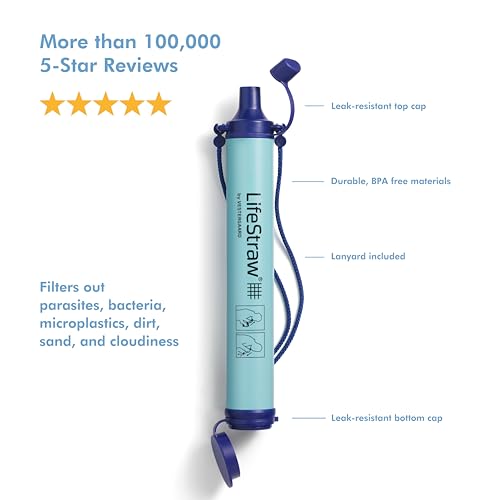
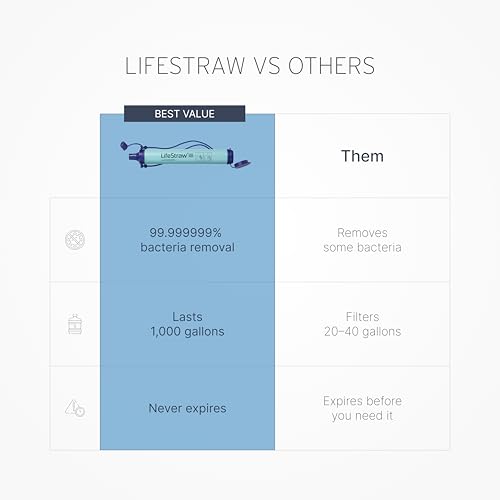
The LifeStraw Personal Water Filter for Hiking, Camping, Travel, and Emergency Preparedness provides EPA-verified mechanical filtration, removing 99.999999% of bacteria and 99.999% of parasites without the need for chemicals or power. It is ultralight, rated to filter up to 4,000 liters, and easy to stash in your pack; however, it will not remove viruses, heavy metals, or most chemical contaminants, so plan complementary solutions if you need broader protection.
LifeStraw Personal Water Filter – Portable Straw

It gives you reliable, mechanical filtration in a tiny, no-fuss package that you can stash in any emergency kit or daypack. Expect sturdy, EPA-verified removal of bacteria and parasites, but plan for complementary solutions if you need chemical or viral removal.
LifeStraw Peak Series Personal Water Filter Straw — Ultra-Portable Hydration
Overview
You want a dependable way to drink from natural sources without carrying heavy gear. This personal water filter is a compact, straw-style purifier that uses a microfiltration membrane to remove bacteria, protozoa, and microplastics. It was developed for both outdoor lovers and humanitarian relief, and it works without electricity, chemicals, or moving parts. That simplicity is its biggest strength when you need clean water fast and light on weight.
How the Filter Works
The core of the device is a hollow fiber microfiltration membrane with pores fine enough to stop bacteria and protozoan parasites. When you draw water through the straw, contaminated water flows across the membrane, and the contaminants stay behind while water passes through.

Real-World Performance
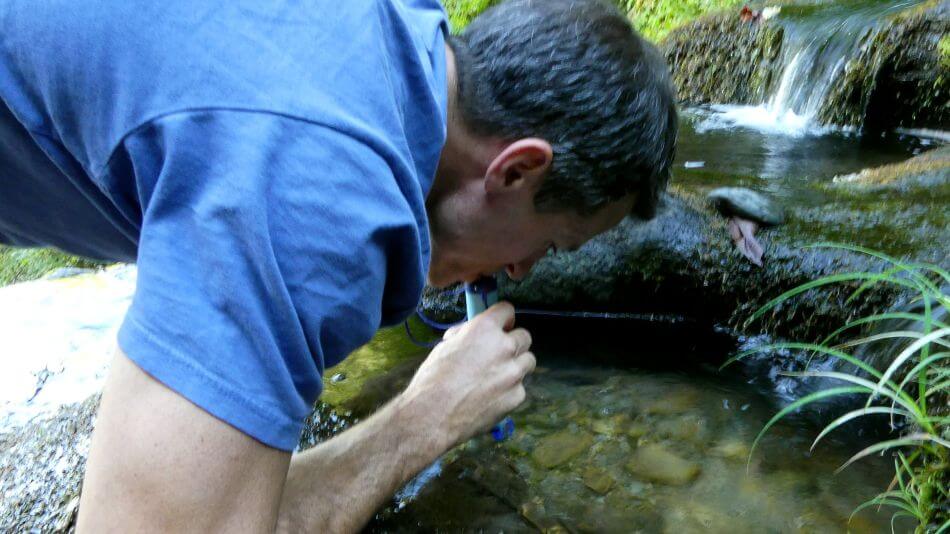
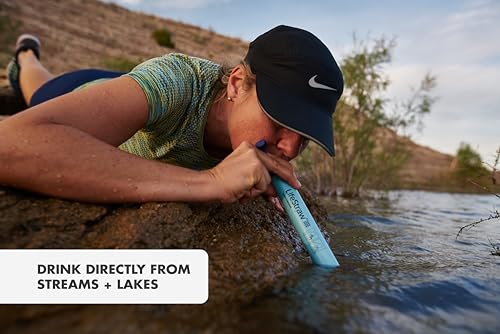
You will notice a few practical things when you use it out in the field. First, it cuts out the most common biological threats to drinking water: E. coli, Salmonella, Giardia, and Cryptosporidium. Independent testing that follows EPA and NSF protocols backs these claims. Second, the device is designed for direct drinking. You can put the intake end into a stream, lake, or pond and sip clean water directly, or you can use it to fill a clean container with filtered water if you prefer.
Key performance points:
When to Use It
This unit is ideal for situations where you need a lightweight, immediate way to hydrate safely. Use it for:
What It Does Not Do
No single device covers every contamination scenario. Be aware of limitations so you can prepare correctly.
Specifications at a Glance
| Feature | Detail |
|---|---|
| Filtration type | Hollow fiber microfilter (0.2 micron) |
| Removes | Bacteria, protozoa, microplastics |
| Lifetime | Up to 4,000 liters (1,000 gallons) |
| Weight | About 2 ounces (0.04 kg) |
| Size | Approx 8.7 x 1 x 1 inches |
| Power | None required |
Packing, Maintenance, and Lifespan
Treat the unit like a reusable emergency tool more than a disposable product. To keep it working well and extend the rated lifetime, follow a few routines:
With reasonable care, it reaches the manufacturer-rated life. In heavy sediment conditions, you may reach clogging earlier, so consider pre-filtering very muddy water through a bandana or coffee filter first.
Practical Tips for Use
Who Should Carry This
You should pack this if you want low-weight, proven protection against common waterborne bacteria and parasites. It is a top pick for minimalists, day hikers, international travelers to rural areas, and anyone building an emergency kit on a budget. If you need multi-contaminant purification, include additional systems in your kit.
Final Notes
This device is a practical, field-ready tool. You will not get the flavor polishing or chemical removal of larger multi-stage purifiers, but you will get a highly portable, lab-verified line of defense against the biological threats most likely to make you sick in the outdoors. Keep it dry between uses, practice with it, and pair it with complementary treatments when your water source is suspect for more than biological contamination.
FAQ
Yes. You can sip directly from most freshwater streams, ponds, or lakes.
Be aware that extremely turbid water will shorten filter life and may be hard to draw through even after pre-filtering.
No. The microfilter removes bacteria and protozoa, but it does not reliably stop viruses or dissolved chemicals.
If you expect viral or chemical risks, add one of these options:
Follow product instructions for contact times and proper use.
Clean and store it properly after each use.
Remember, the 4,000-liter (1,000-gallon) rating is based on lab conditions. Very dirty water will reduce real-world capacity.
You can share in a pinch, but take precautions to avoid cross-contamination.
When you can, treat a communal container with boiling or chemical disinfection for safer group use.
It does not add chemicals, so it usually does not add a bad taste.
If the source smells strongly or tastes unusual after filtering, do not drink it without further treatment.
Yes. It is a light and simple option for uncertain water in rural or undeveloped areas.